About AUTO PARTS PAD PRINTING
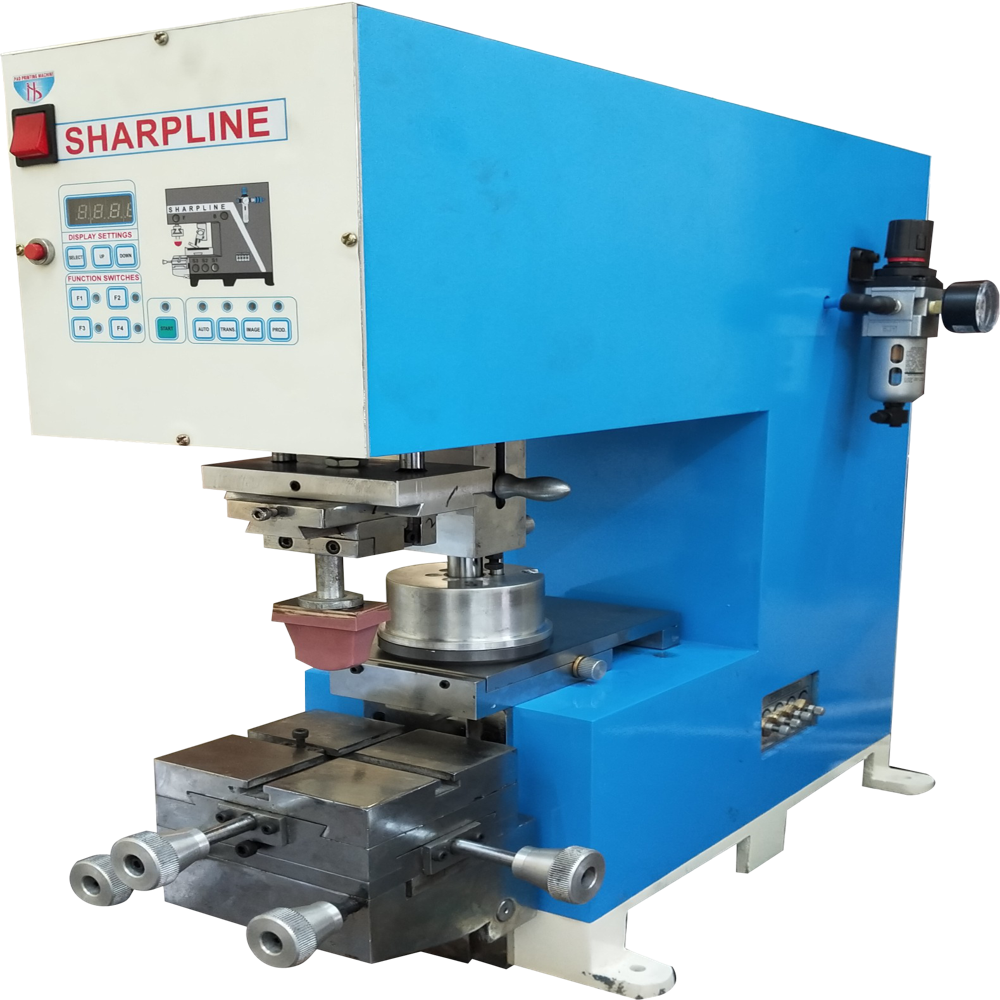
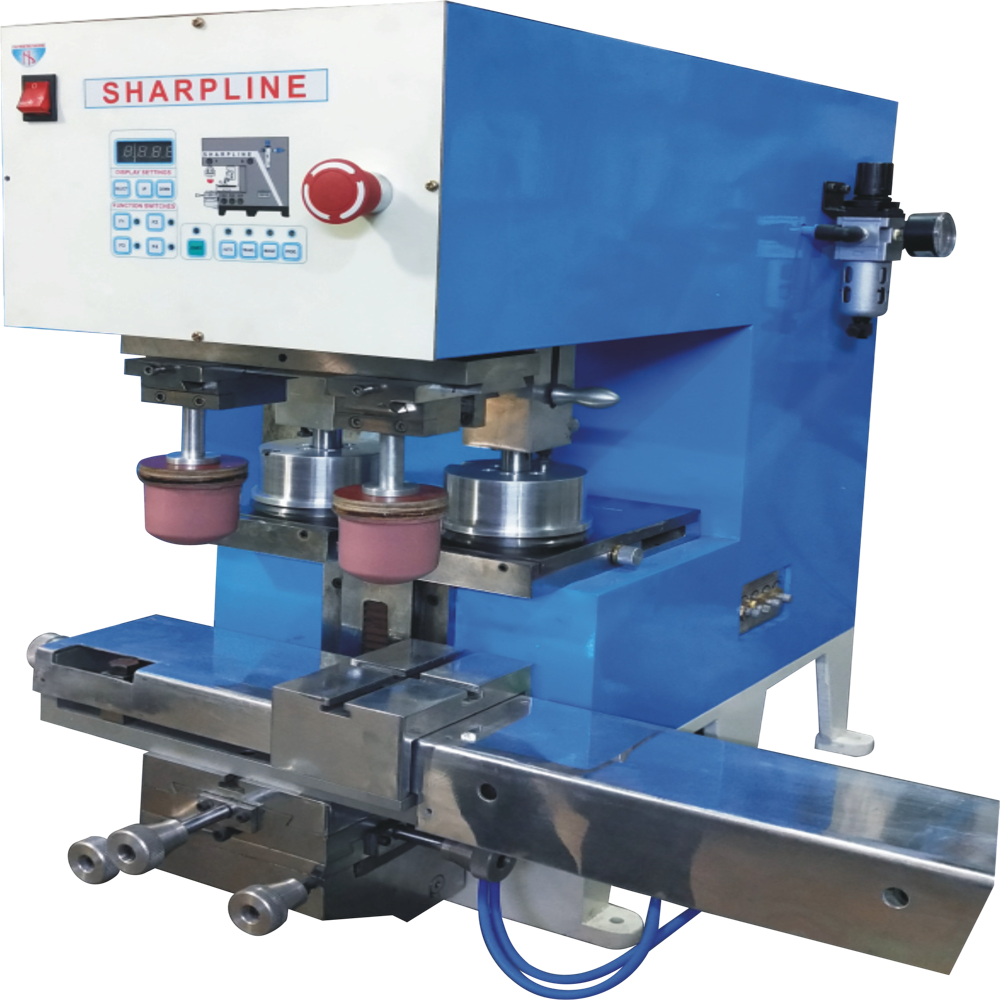
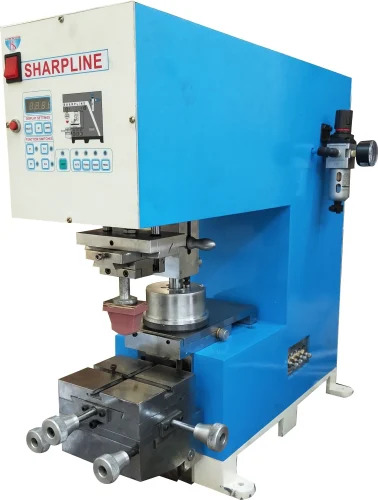
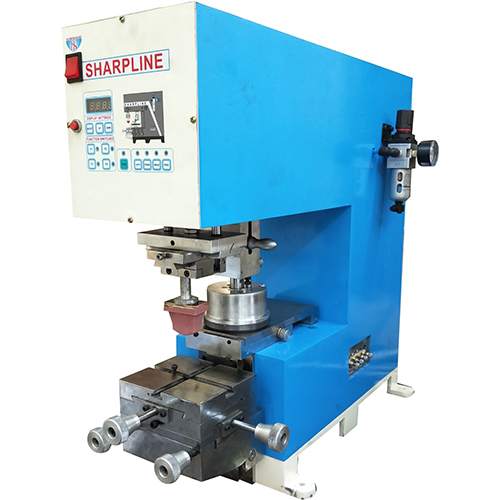
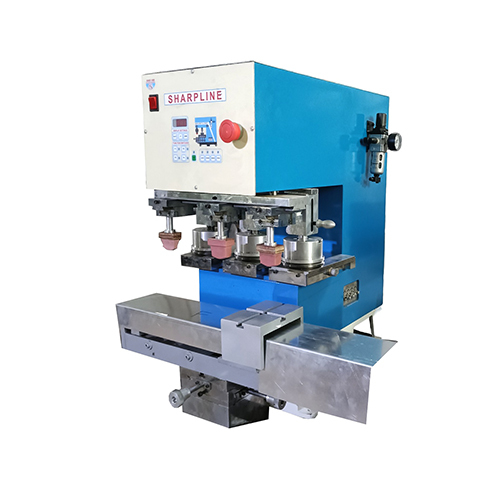
The Auto Parts Pad Printing Machine is designed for high-precision printing on a wide range of automotive components, including plastic, metal, and rubber parts. It uses advanced pad printing technology to transfer clear, durable, and high-quality images, logos, serial numbers, and markings onto irregular, curved, or textured surfaces. The machine offers consistent print quality, fast production speeds, and easy operation, making it ideal for automotive manufacturing and component suppliers. With adjustable printing parameters, reliable ink transfer, and a robust construction, it ensures long-lasting performance and high productivity while minimizing maintenance requirements.
Key Features:
- High-precision pad printing for automotive parts
- Suitable for plastic, metal, rubber, and coated surfaces
- Prints logos, symbols, part numbers, and barcodes
- Stable and consistent print quality
- Adjustable printing pressure and speed
- User-friendly controls and quick setup
- Durable construction for continuous industrial operation
- Low maintenance and energy-efficient design
High-Precision PerformanceAchieve crisp and accurate prints consistently with this pad printing machine's transfer accuracy of only 0.02 mm. Designed for detailed tasks on automotive components and electronic parts, its state-of-the-art microprocessor control ensures every impression meets rigorous quality standards. The sturdy construction guarantees stability even under high-speed operations.
Customizable for Every NeedThe machine's adjustable pad size and fixture system allow seamless printing on diverse component shapes and sizes. With compatibility for specialized jigs, the flexible worktable and digital panel accommodate unique project demands, ensuring adaptability across various industrial applications.
Operator-Friendly and SafeEase of use is at the core of this pad printer, thanks to the digital LED display, ergonomic worktable, and straightforward maintenance panels. Integrated safety features-including an emergency stop and overload protection-make it a safe addition to any production environment.
FAQ's of AUTO PARTS PAD PRINTING:
Q: How does the Auto Parts Pad Printing Machine ensure high transfer accuracy during operation?
A: The machine utilizes advanced microprocessor control and a precision-engineered drive system to achieve a transfer accuracy of 0.02 mm, resulting in high-quality, consistent prints on each product.
Q: What types of surfaces and components can this machine print on?
A: This pad printing machine effectively prints on a wide range of surfaces, including plastic and metallic automotive parts, electrical components, and other irregularly shaped items, making it suitable for various manufacturing industries.
Q: When should I perform maintenance on the pad printing machine, and how easy is it to service?
A: Routine maintenance is recommended as per operational hours or usage cycles. Servicing is straightforward due to the machine's low-maintenance design and easy-access panels, ensuring minimal downtime.
Q: Where should this pad printing machine be installed for optimal performance?
A: Install the machine in a clean, well-ventilated industrial workspace with a stable temperature between 10C and 45C, ensuring a steady 220V, 50Hz power supply and air pressure of 5-7 bar for best results.
Q: What is the process for changing pad sizes to suit different products?
A: Pad sizes are customizable and can be adjusted quickly using the machine's ergonomic fixture system and adjustable worktable, enabling efficient transitions between different product runs.
Q: How does the digital control panel benefit the printing process?
A: The digital LED display panel simplifies operation by allowing users to set and monitor machine parameters precisely, enhancing process control and reducing errors during high-speed printing.
Q: What are the key benefits of using this pad printing machine for auto parts manufacturing?
A: Key advantages include high output capacity (up to 1500 impressions/hour), excellent print accuracy, adaptable fixture support, low maintenance, robust safety features, and compatibility with various components, ensuring efficiency and reliability in production.





 Send Inquiry



 Send Inquiry

 Send Inquiry
 Send SMS
 Call Me Free


 English
 Spanish
 French
 German
 Italian
 Chinese (Simplified)
 Japanese
 Korean
 Arabic
 Portuguese