About Charger pad printing machine
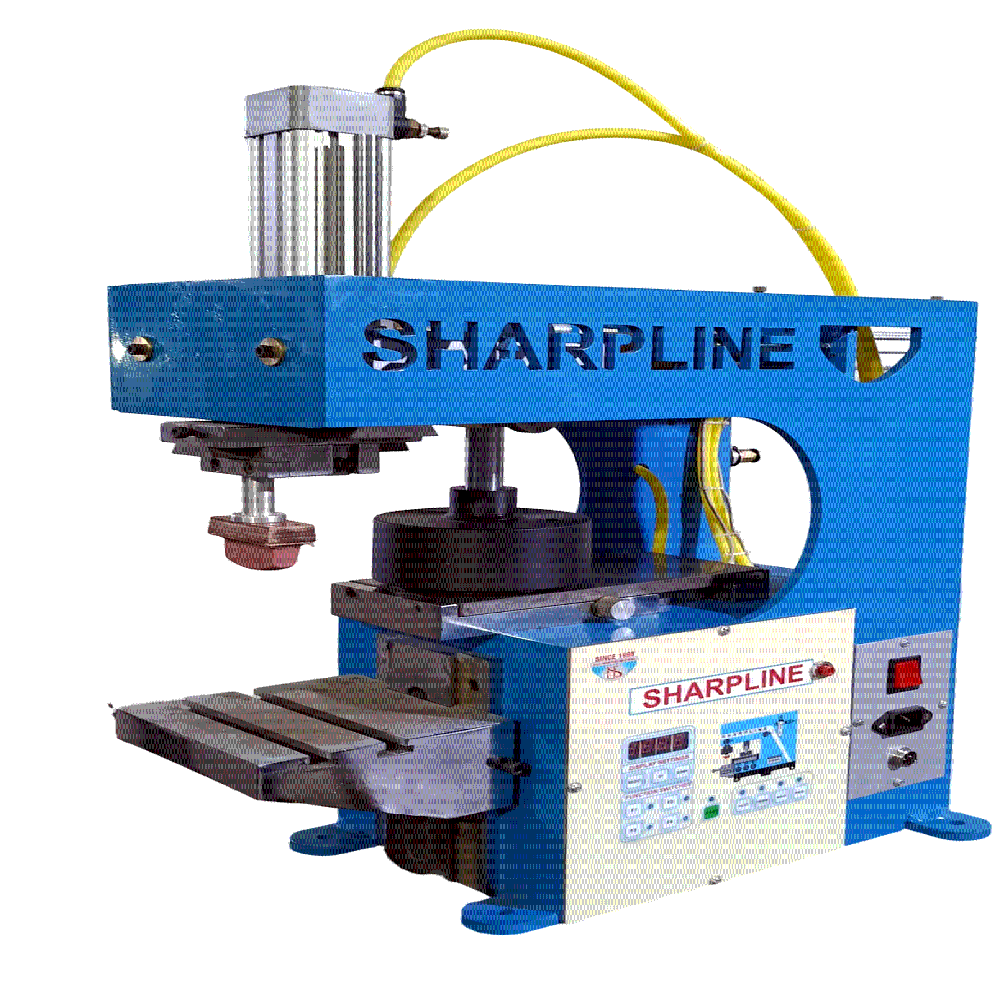
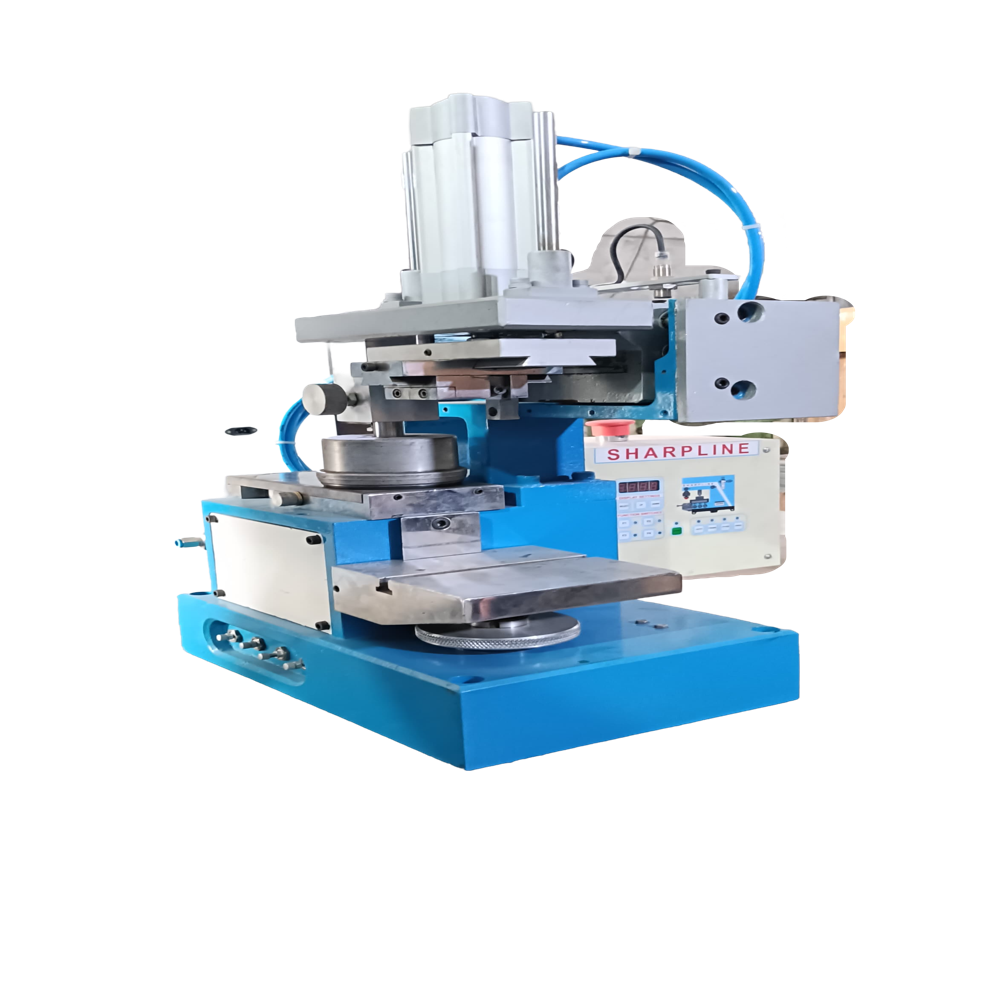
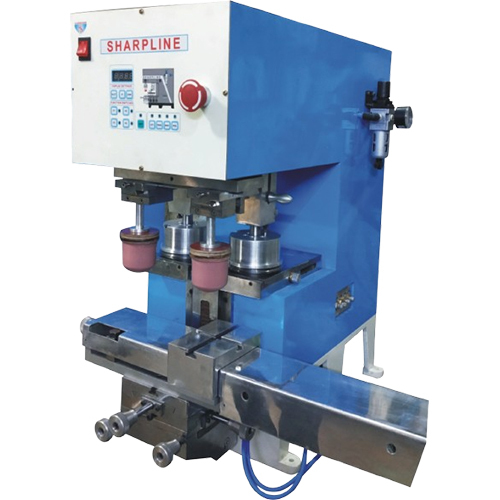
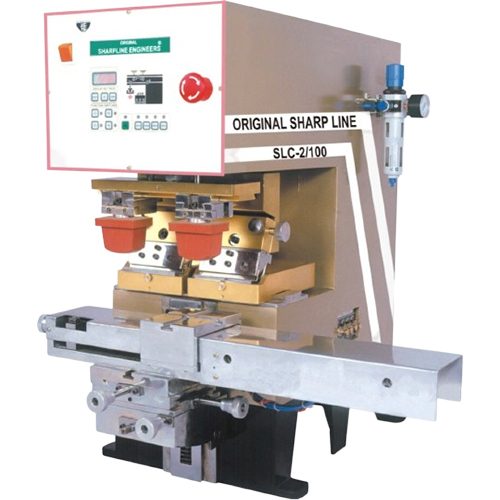
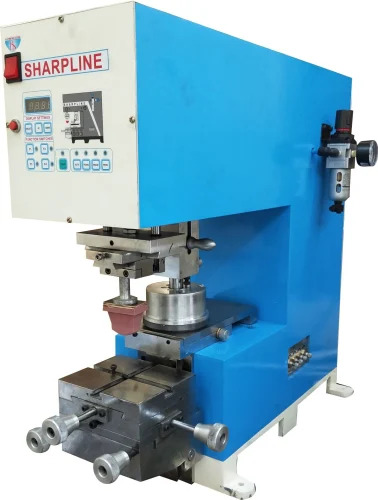
Pad Printing Machine is a high-precision industrial printing machine used to print logos, text, graphics, symbols, and product information on flat, curved, textured, and irregular surfaces. It works by transferring ink from an engraved printing plate (clich) to the product surface using a flexible silicone pad, ensuring accurate and high-quality printing even on complex shapes.
Pad printing machines are widely used across industries such as automotive, electronics, medical, packaging, cosmetics, toys, promotional products, and consumer goods. They are suitable for printing on plastic, metal, glass, ceramic, rubber, wood, and other materials.
Key Features
- High-quality, precise, and consistent printing
- Suitable for flat, curved, and irregular surfaces
- Available in single-color and multi-color configurations
- Adjustable printing pressure, speed, and stroke
- Easy operation with low maintenance
- Durable and compact construction
- Compatible with various types of inks and printing plates
- High production efficiency for industrial applications
Precision Printing VersatilityDesigned to deliver high-accuracy single or double-color prints, this pad printing machine caters to a wide range of applications, from chargers to electronic parts. Its micro-adjustable pad and plate holders allow for meticulous alignment, ensuring crisp and consistent results across varying substrate sizes.
Operator-Friendly DesignThe machine incorporates both footswitch and automatic cycling options, providing flexible operation modes suited for different production environments. A low-noise pneumatic drive and digital control panel simplify operation, while emergency stop and overload protection features prioritize workplace safety.
Durability Meets EfficiencyConstructed with a powder-coated mild steel body, this compact pad printer withstands rigorous use in industrial settings. Its energy-efficient system operates at standard voltage and minimal noise, achieving impressive printing speeds (up to 1400 cycles/hour) ideal for high-volume production.
FAQ's of Charger pad printing machine:
Q: How does the Charger Pad Printing Machine ensure high print accuracy?
A: The machine uses a computerized control system and micro-adjustable pad and plate holders, which allow for precise alignment of the pad and substrate. This, along with its uni-directional print movement and digital control panel, enables highly accurate and consistent printing results.
Q: What types of materials and products can be printed using this machine?
A: This pad printing machine is suitable for marking and decorating plastic chargers, electronic parts, and an array of gadget components. Its adjustable stroke and standard plate size allow flexible use for various shapes and sizes within the 75 x 75 mm maximum printing area.
Q: When should I adjust the pad stroke, and how is it done?
A: The pad stroke should be adjusted whenever you change the height of the item being printed or switch to a substrate requiring different contact. The adjustment mechanism is designed for easy setup, allowing you to set the stroke between 60 and 150 mm as needed for your application.
Q: Where can this machine be installed, and what environmental conditions are required?
A: Owing to its compact size and low noise operation, the machine is suitable for installation in workshops, factories, or service centers. It operates optimally in a temperature range of 10C to 40C and requires a consistent air pressure of 5-7 bar along with standard 220V AC power supply.
Q: What is the operation process for printing, and what are the available modes?
A: Users can operate the machine via a footswitch for manual control or set it to automatic cycling mode for continuous printing. The process involves placing the object on the holder, adjusting the pad and plate as necessary, and initiating the print cycle using the selected mode.
Q: How does the machine benefit production efficiency and workplace safety?
A: With a capacity of up to 1400 cycles per hour, this machine significantly increases output for bulk orders. Its emergency stop and overload protection functions enhance operator safety, while low-noise performance and ergonomic controls contribute to a comfortable production environment.





 Send Inquiry



 Send Inquiry

 Send Inquiry
 Send SMS
 Call Me Free


 English
 Spanish
 French
 German
 Italian
 Chinese (Simplified)
 Japanese
 Korean
 Arabic
 Portuguese