About plastic Pad printing Machine
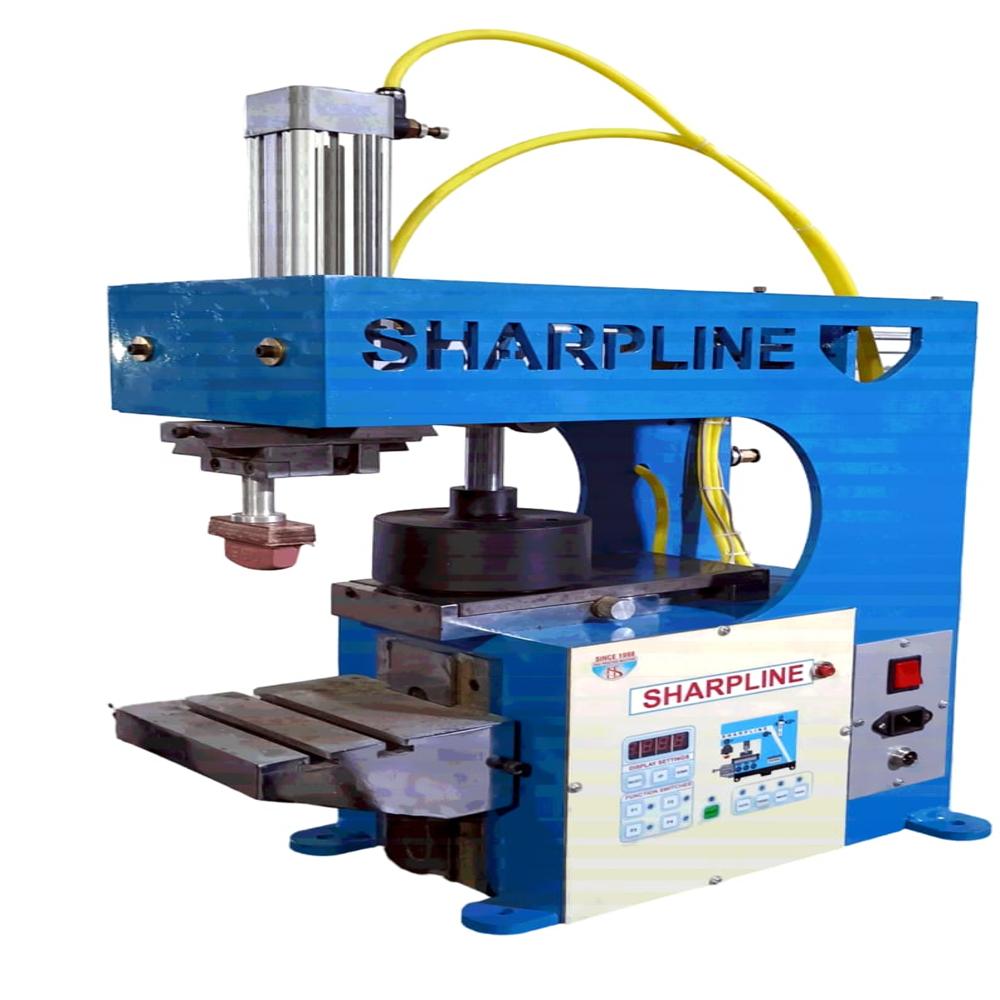
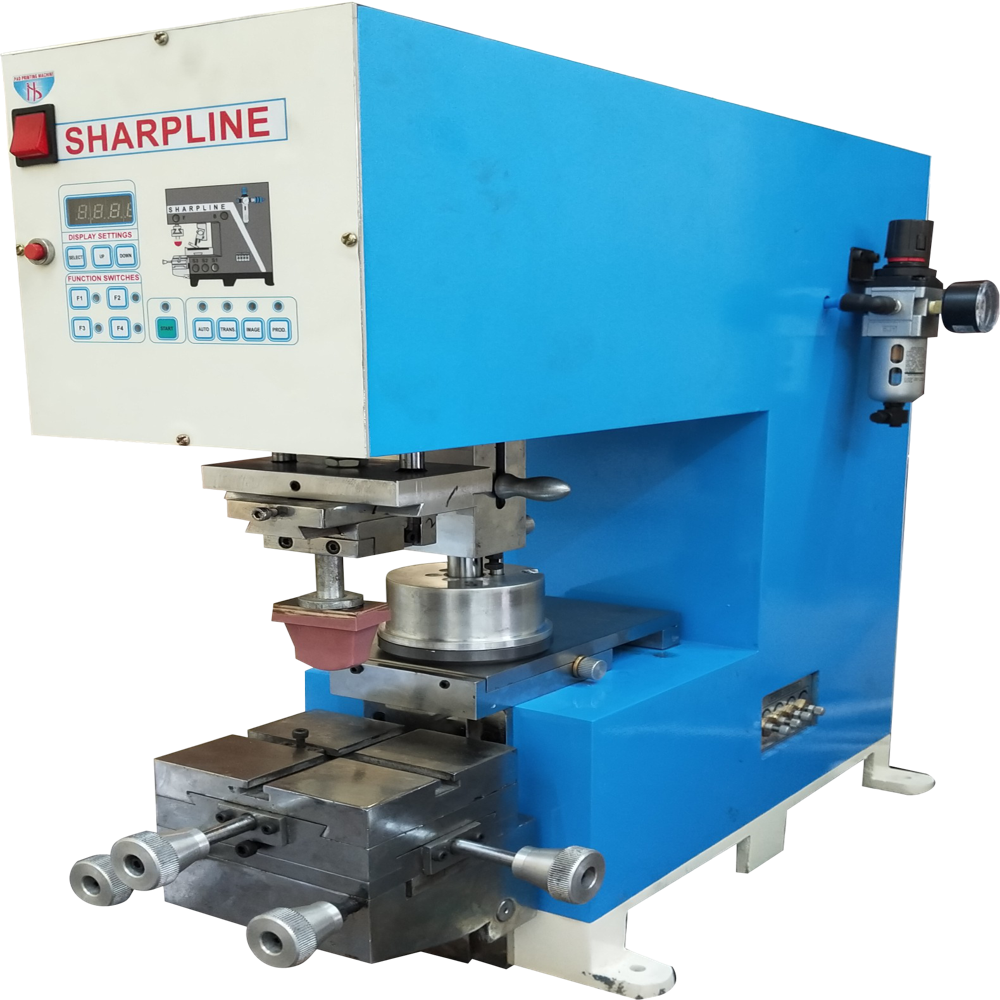
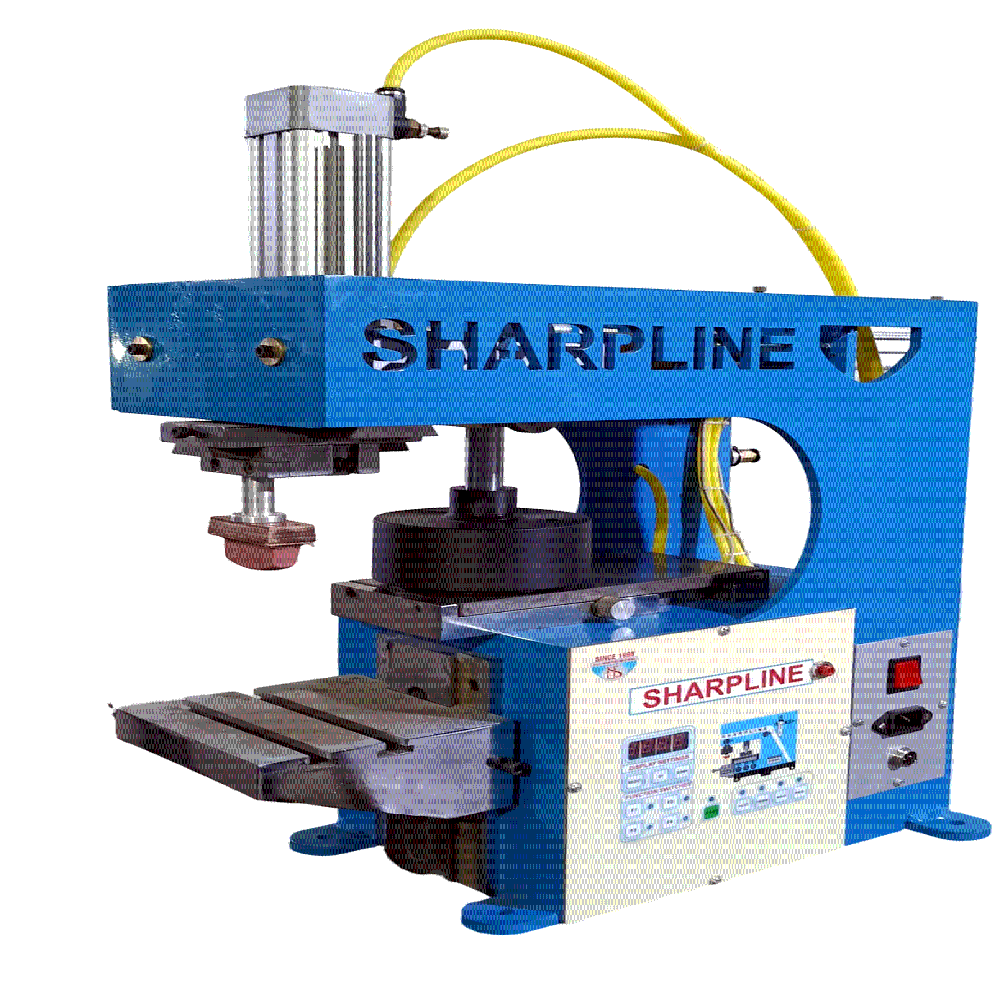
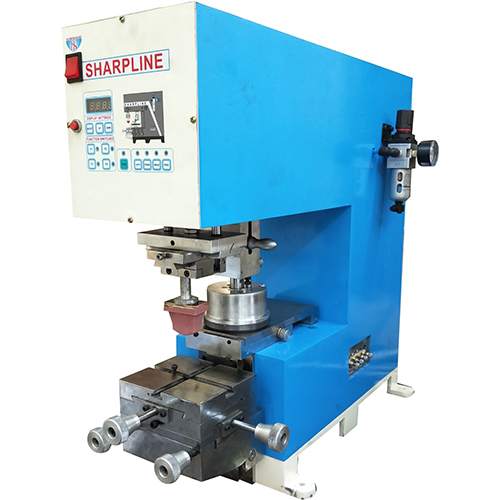
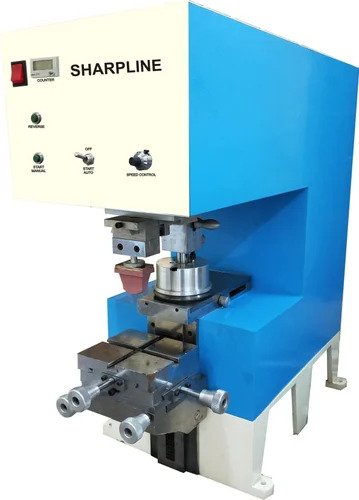
Description Plastic Pad Printing Machine is a specialized printing machine designed to print high-quality logos, text, graphics, and markings on plastic products with precision and consistency. Using advanced pad printing technology, the machine transfers ink from an engraved printing plate (clich) to the plastic surface through a soft silicone pad, allowing accurate printing on flat, curved, textured, and irregular-shaped components.This machine is widely used in industries such as packaging, electronics, automotive, cosmetics, medical devices, toys, and promotional products. It delivers excellent print clarity, fast production speeds, and reliable performance, making it ideal for both small and large-scale manufacturing.
Key Features:
- High-precision printing on plastic components
- Suitable for flat, curved, and irregular surfaces
- Sharp, durable, and smudge-resistant print quality
- Adjustable printing pressure and speed
- Easy setup, operation, and maintenance
- Compact and robust machine design
- Compatible with various plastic materials such as ABS, PP, PE, PVC, Acrylic, and Polycarbonate
- Ideal for continuous industrial production
Versatile Printing On Multiple SurfacesDesigned to accommodate various substrates including plastics, metals, glass, woods, and ceramics, this pad printing machine adapts seamlessly to diverse applications. Its compatibility makes it highly useful for manufacturers and exporters aiming for multifunctional and cost-effective printing solutions.
Efficient and Customizable OperationWith a powerful microprocessor-based control panel and the option for manual or automatic cycles via foot switch, operators can tailor workflows for optimum productivity. Adjustable pad lift and customizable accessories such as fixtures, jigs, and multiple ink cups enhance adaptability.
High-Speed Performance with Clean ResultsCapable of producing between 1,000 and 1,200 prints per hour, the machine is engineered for speed and reliability. The sealed ink cup system with steel plate ensures minimal ink wastage and clean, sharp impressions, reducing maintenance and production costs.
FAQ's of plastic Pad printing Machine:
Q: How does the pad printing process work on this machine?
A: The machine uses a silicone pad to pick up ink from an etched steel plate and transfer it onto the product's surface. The process is controlled by a microprocessor-based panel and can be operated via a foot switch or set to run automatically, ensuring accuracy and speed.
Q: What materials are compatible with this pad printing machine?
A: This pad printing machine works on a wide range of materials including plastic, metal, glass, wood, and ceramic. Its adaptability makes it ideal for various industries such as electronics, promotional products, and household goods manufacturing.
Q: When is this machine best utilized in a production line?
A: It is most effective in medium to large batch production settings where high-speed, single-color printing is needed. With a speed of up to 1,200 impressions per hour, it suits operations that demand dependability and quick turnaround times.
Q: Where can the pad printing machine be installed?
A: Due to its compact design (520 mm x 450 mm x 600 mm) and moderate weight (approximately 60 kg), the machine can be installed in workshops, industrial printing facilities, or assembly lines with standard 220V AC, 50Hz single-phase power supply.
Q: What benefits does the sealed ink cup system provide?
A: The sealed ink cup system minimizes ink evaporation, reduces odor, and keeps the work environment clean. It also decreases ink consumption, which helps lower operational costs and ensures uniform print quality with minimal maintenance required.
Q: How is the printing speed and capacity managed?
A: Printing speed is controlled through the microprocessor-based panel allowing cycle adjustments as needed. The machine delivers between 1,000 and 1,200 prints per hour, with pad stroke and lift customizable for various applications, maximizing output without compromising quality.
Q: What usage and safety advantages does this machine offer?
A: It operates at a low noise level (<65 dB), making it suitable for extended shifts. The manual and automatic cycle options promote operator safety, while its robust steel, aluminum, and plastic construction guarantees longevity even in demanding manufacturing conditions.





 Send Inquiry



 Send Inquiry

 Send Inquiry
 Send SMS


 English
 Spanish
 French
 German
 Italian
 Chinese (Simplified)
 Japanese
 Korean
 Arabic
 Portuguese